

 Остин
Остин
Хорошие новости...
для наших родственников и друзей!
Цитирую:
Историческое визовое соглашение вступает в силу 9 сентября 2012 годаМосква | 29 августа 2012 года
Читать далее
 Остин
Остин
для наших родственников и друзей!
Цитирую:
Историческое визовое соглашение вступает в силу 9 сентября 2012 годаМосква | 29 августа 2012 года
И кому из нас двоих тяжелее?
Наверное все таки мне.
Задумываюсь уже... Хотя бы определиться где и что мы делаем...
Зима, не разгуляешься даже в нашем климате...
Девочки, а расскажите - кто как отмечал или планирует отмечать 2-ой день Рождения? Интересуют именно осенне-зимние детки, когда на природе не отметишь..
Если дома - будете ли приглашать аниматоров, клоунов и тому подобных увеселительных персонажей?
Кто уже отметил - какие развлечения прошли на "Ура"? Что посоветуете исходя из своего опыта?
Остин
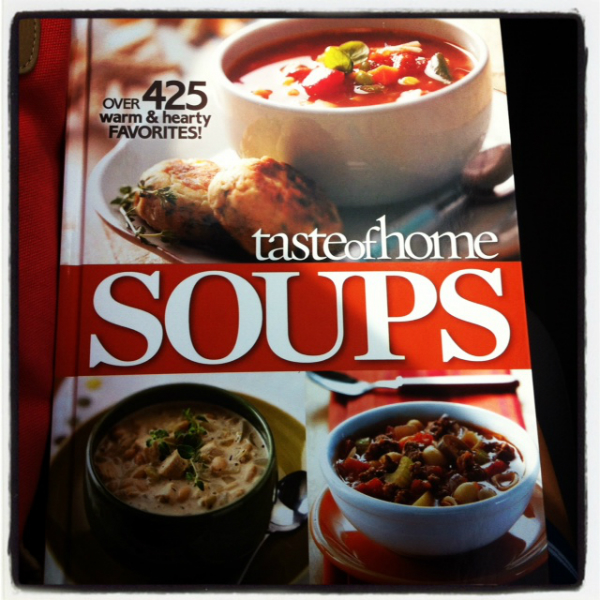
В инсте выкладывала эту книгу, более 400 страниц супов! А я их обожаю, всегда пытаюсь найти что то новое, особенно в новой культуре... Книга на английском языке, под маркой taste of home здесь выходит периодический журнал....
Кое что уже опробовала, приближается зима и буду ставить больше опытов по книге...
Особенно удавшиеся варианты выкладываю: Эти супы я точно буду повторять!
Остин

Остин
Остин
я тут на этого знаменитого мальчика-англичанина-пловца...Красавец малыш!
Да вообще на всех пловцов! Вот это мужчины, девочки!

Остин
Не жизненных, а вымышленных!
С раннего подросткового возраста я восхищаюсь и люблю героиню Унесенных ветром Скарлет О'Хара, и ник мой в общем то оттуда ноги вырастил)) Люблю за ее силу, настойчивость, стремление к выживанию любой ценой...
Досмотрела Mad Men и заполучила себе в кумиры еще одну героиню: Joanne Harris

Обожаю ее с самой первой и до последней серии! Сколько в ней грации, мудрости, преданности, упорства и внутренней силы, про сексуальность я вообще молчу! Она из нее просто прет!
Хотела бы я быть похожей на нее!
А у вас есть героини, которыми вы восхищаетесь?
иду учиться!
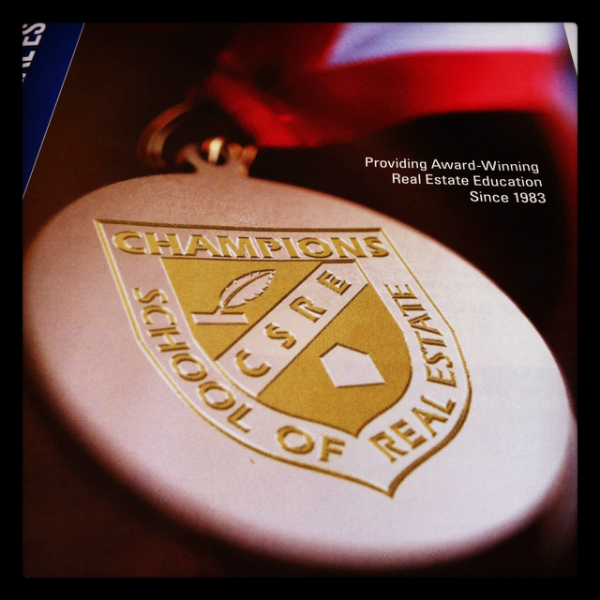
вместе с сестренкой идем получать знания в области Real Estate (Недвижимость).. И когда все сложится замечательно и мы сдадим тесты, станем лицензированными агентами по недвижимости..Я уже как то писала что это мне интересно..http://www.babyblog.ru/community/post/america/1649350
Занятия буду брать вечерам по будням, и редко по выходным на целый день, но так быстрее можно покрыть часы. Всего надо набрать 180 часов в 6 предметах, затем тест и получение сертификата, а далее уже подаю на получение лицензии штата Техас, там самостоятельно сдаю тесты.
Ну и на работу! Работу в офисе мужа не прекращаю, буду совмещать..
Планирую получить лицензию до февраля месяца, а лучше до нового года!
меня одолела...

Это какой то ужас - все что мне хочется и на что я способна ( это кроме забот о своей девочке конечно!) - жрать, спать, смотреть фильмы и шоппить! )))
ну последнее в крови, тут все понятно... остальное видимо тоже!
Не могу заставить себя после нашей болезни влиться в колею, начать снова тренировки, чтение книг...
На выходных и с едой расслабилась во время праздника и вот еле еле себя снова вгоняю в диету..
Каких трудов над собой мне это стоит, в холодильнике лежат 2 вида торта, манят заразы!
ПМС чтоли?
Девочки, вы в таких случаях что делаете чтобы снова "влезть на коня"?
